You may often wonder if it is safe to share a sweet treat, such as sherbet, with your dog. We know that a dog’s diet and health needs vary greatly from a human’s diet so what may be perfectly safe for us to consume can be hazardous for our furry friend. But can dogs eat sherbet or ice cream?

Whether your frozen treat of choice is soft serve ice cream or chocolate ice cream. we know that on a hot summer day, nothing can be better than an ice cream cone. But what about feeding your dog this frozen dessert?
In this post we will explore the pros and cons, along with some safe alternatives, to feeding your dog ice cream or sherbet.

You may be interested in these other helpful posts!
- Can Dogs Eat Grits?
- Can Dogs Eat Fig Newtons?
- Can Dogs Eat Hush Puppies?
- Facts & Information to Know About French Bulldogs
- Is Black Pepper Safe For Dogs to Eat? Or Is It Bad?
- Can Dogs Eat Sesame Seeds or Should They be Avoided?
- How Old is a Good Age to Bathe Your Puppy?
Advantages of Dogs Eating Sherbet or Ice Cream
Cooling Off on Hot Days
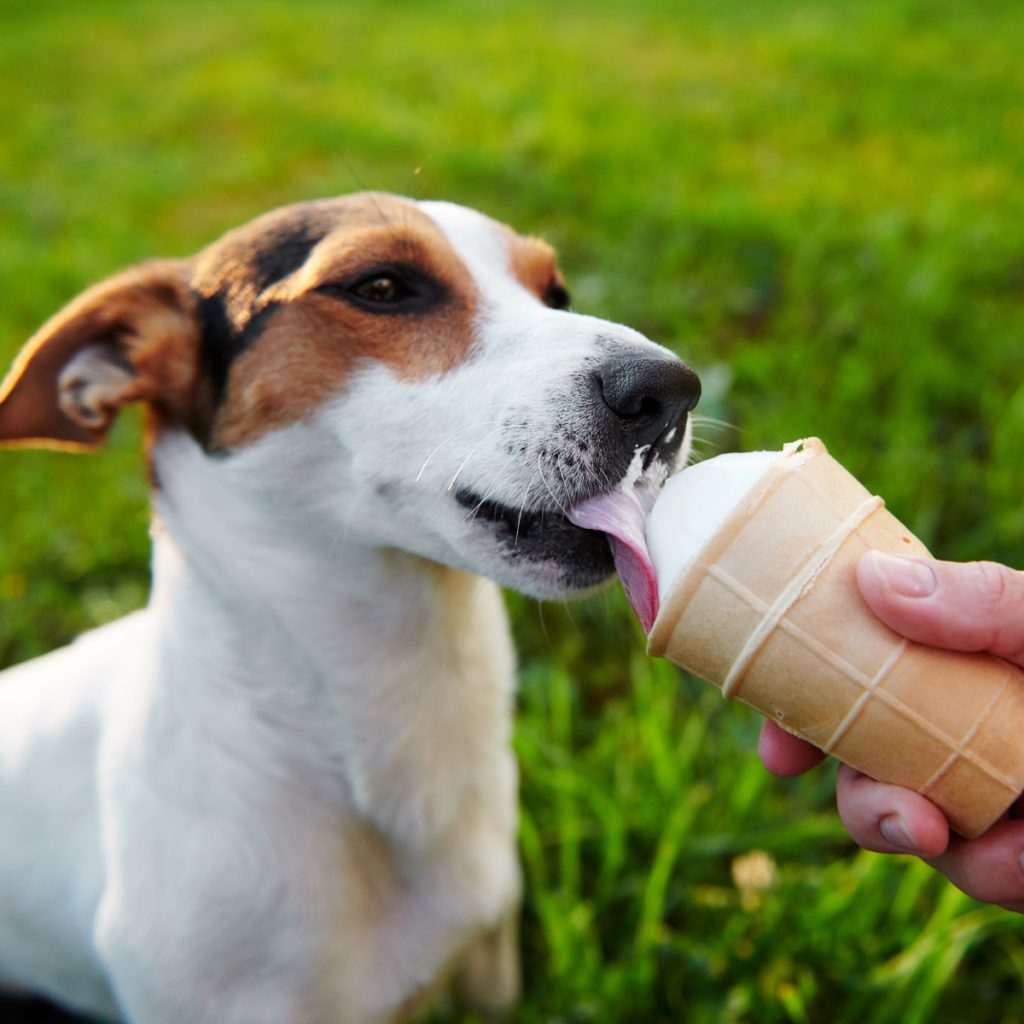
Just like humans, dogs can benefit from a cool treat on a hot summer’s day. An occasional treat of sherbet or ice cream can provide temporary relief from the heat, helping to lower your dog’s body temperature and prevent overheating.
Enjoyment and Bonding
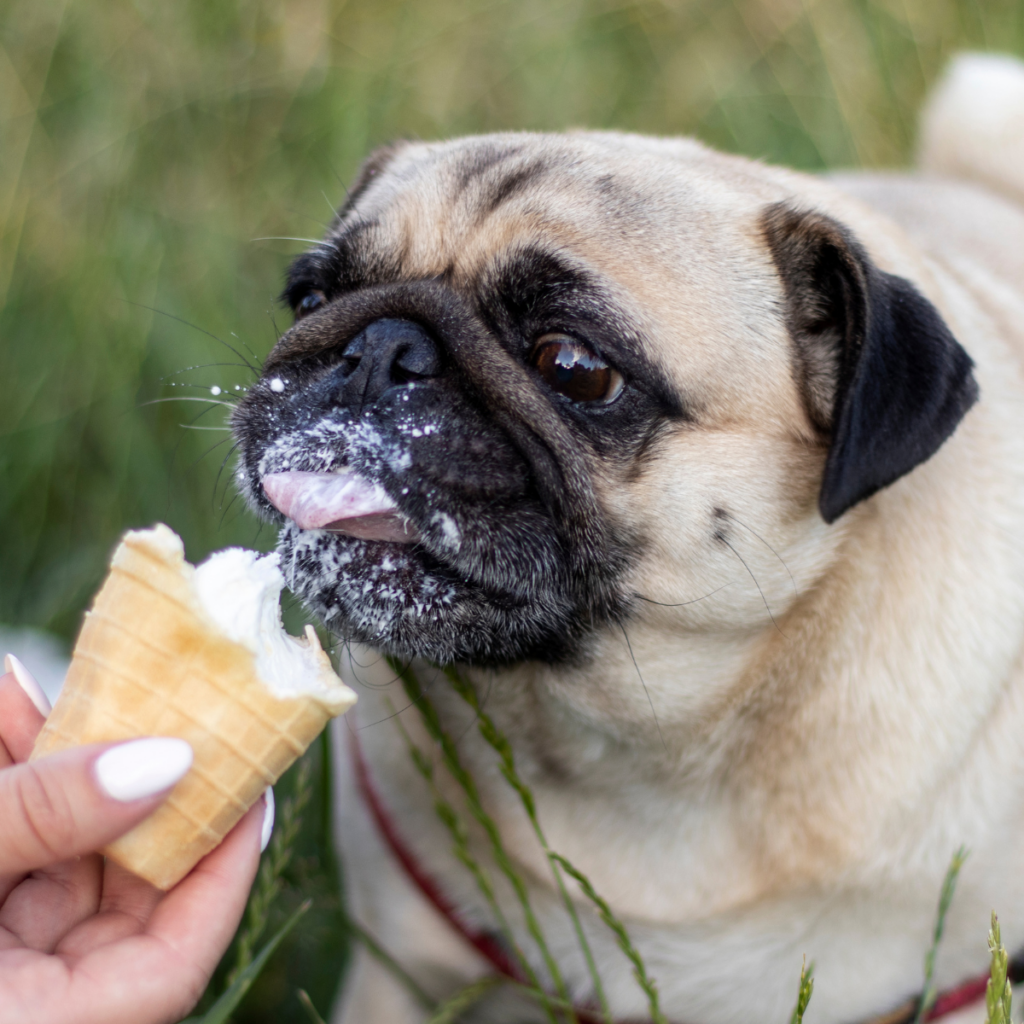
Sharing a special treat with your dog can be a delightful experience that strengthens the bond between you and your pet. Dogs enjoy the taste and texture of these treats, and it can be a fun way to show them love and attention.
Encouraging Eating in Picky Dogs
Some dogs are finicky eaters, and offering a small amount of sherbet or ice cream might entice them to eat. This can be particularly useful if your dog has been ill or is recovering from surgery and needs encouragement to eat.
Side Effects and Risks of Dogs Eating Sherbet or Ice Cream
While a small amount of ice cream won’t necessarily prove to be harmful for your dog, too much ice cream over an extended period of time can prove to be harmful for your pet and cause certain health problems. It’s usually best to reserve human foods for humans and not feed them to you pet.

Here are some of the downsides to feeding your pet ice cream:
High Sugar Content
Sherbet and ice cream typically contain a lot of sugar, which can lead to a range of health issues in dogs. Your dog consuming too much sugar can cause weight gain, dental problems, and increase the risk of diabetes.
Artificial Sweeteners
Sugar-free ice cream or ice creams that are sweetened with an artificial sweetener can be extremely harmful to your dog, even fatal. Xylitol is a sweetener that is being used in different sweets and is extremely harmful and in fact poisonous to your pet. This ingredient can even be found in some brands of peanut butters so always check the ingredient label of any food before feeding it to your four-legged friend.

Lactose Intolerance
Many dogs are lactose intolerant, meaning they have difficulty digesting lactose, the sugar found in milk. Consuming dairy products like ice cream can lead to digestive issues like an upset stomach, including diarrhea, gas, and stomach pain.
Toxic Ingredients
Some flavors of sherbet and ice cream contain dangerous ingredients that are toxic to dogs. Chocolate, for example, contains theobromine, which is harmful to dogs. Additionally, some products may contain xylitol, an artificial sweetener that is extremely toxic to dogs and can cause severe health issues, including liver failure and seizures.
Artificial Additives
Many commercial ice creams and sherbets contain artificial flavors, colors, and preservatives that can be harmful to dogs. These additives can cause allergic reactions or other health problems in some dogs.

Obesity and Related Health Problems
Regularly feeding your dog high-calorie treats like sherbet or ice cream can contribute to obesity, which is a significant health concern for dogs. Obesity can lead to a range of problems, including joint issues, heart disease, and a decreased lifespan.
Safe Alternatives to Sherbet and Ice Cream for Dogs
If you want to treat your dog on a hot day to a cool, refreshing snack without the risks associated with sherbet and ice cream, here are some dog-friendly and healthier alternatives that they may like:
Frozen Yogurt
Plain, unsweetened, greek yogurt can be a great alternative to ice cream. It’s lower in sugar and contains beneficial probiotics that can aid in digestion. You can even add a little honey to sweeten it a bit if you would like and then freeze small portions in ice cube trays for a convenient, dog-friendly treat.
Some dogs may have a lactose intolerance and if so, a better option to use would be lactose free yogurt to make the treats with instead.
Frozen Fruit
Many dogs enjoy the natural sweetness of fruit. Freeze pieces of dog-safe fruits like blueberries, watermelon (seedless), strawberries or banana slices for a healthy treat. Ensure the fruits are safe for dogs, as some (like grapes and raisins) are toxic and never feed them the seeds or pit of any fruit.
Dog-Specific Ice Cream
There are commercial dog ice creams available that are specifically formulated and made for dogs. These products usually contain fewer calories and are made without harmful additives. Look for these in pet stores or online.
Homemade Frozen Treats
You can easily make your own frozen dog treats at home. Blend dog-safe ingredients like peanut butter (ensure it’s xylitol-free), mashed banana, and plain yogurt, then freeze the mixture in ice cube trays or silicone molds.

I have made different versions of these treats like strawberry banana, peanut butter and banana and blueberry treats and my dogs like them. They especially like the ones with peanut butter. They make for a great treat for your dog and are super easy to make!
Ice Cubes
I think that this may be the easiest treat to ever give your pet. Simple and effective, ice cubes can be a great way for dogs to cool down and, if your dog is anything like mine, they love them. They provide hydration and can also serve as a fun toy for dogs to chase around and chew on.
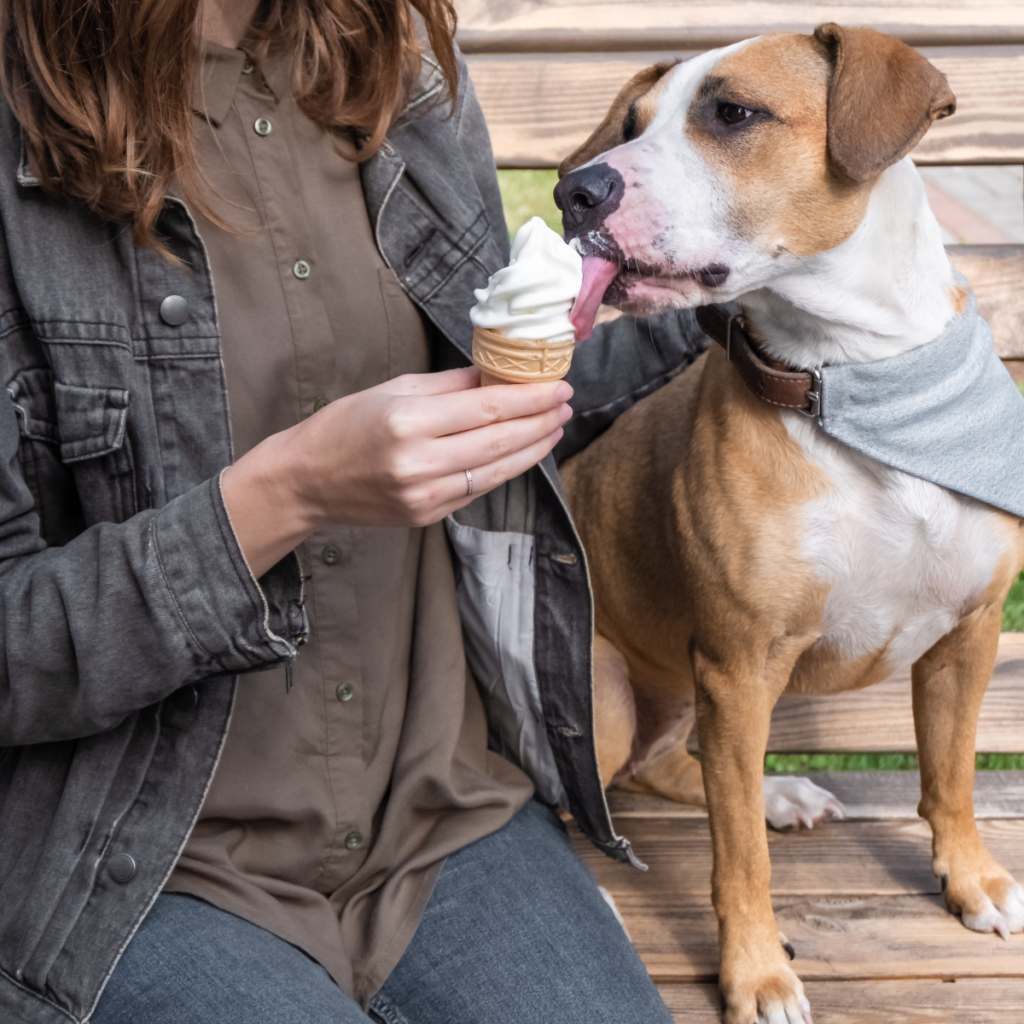
While the occasional small bite of sherbet or small amounts of ice cream is unlikely to cause significant harm to your canine companion, it’s best to avoid these treats due to the potential risks. I hope that this post will give you some insight and help you make informed choices about your dog’s diet.
Remember, your veterinarian is an excellent resource for advice on your dog’s nutrition and can help you determine the best treats for your specific pet and ALWAYS contact you vet before making changes to your dog’s diet.


Leave a Reply